What 15 Years of Chives Taught Me About Better Food
How a pot of “bionic chives,” two culinary-school sessions in Florence, and a dehydrator changed the way I use herbs

About 15 years ago, we bought a small pot of chives on a whim.
Those chives have followed us from house to house ever since.
They have survived Texas heat, cold snaps, repotting, neglect, and more than one season when they appeared to be completely finished. Then, without any encouragement from me, they came back.
We call them our bionic chives.
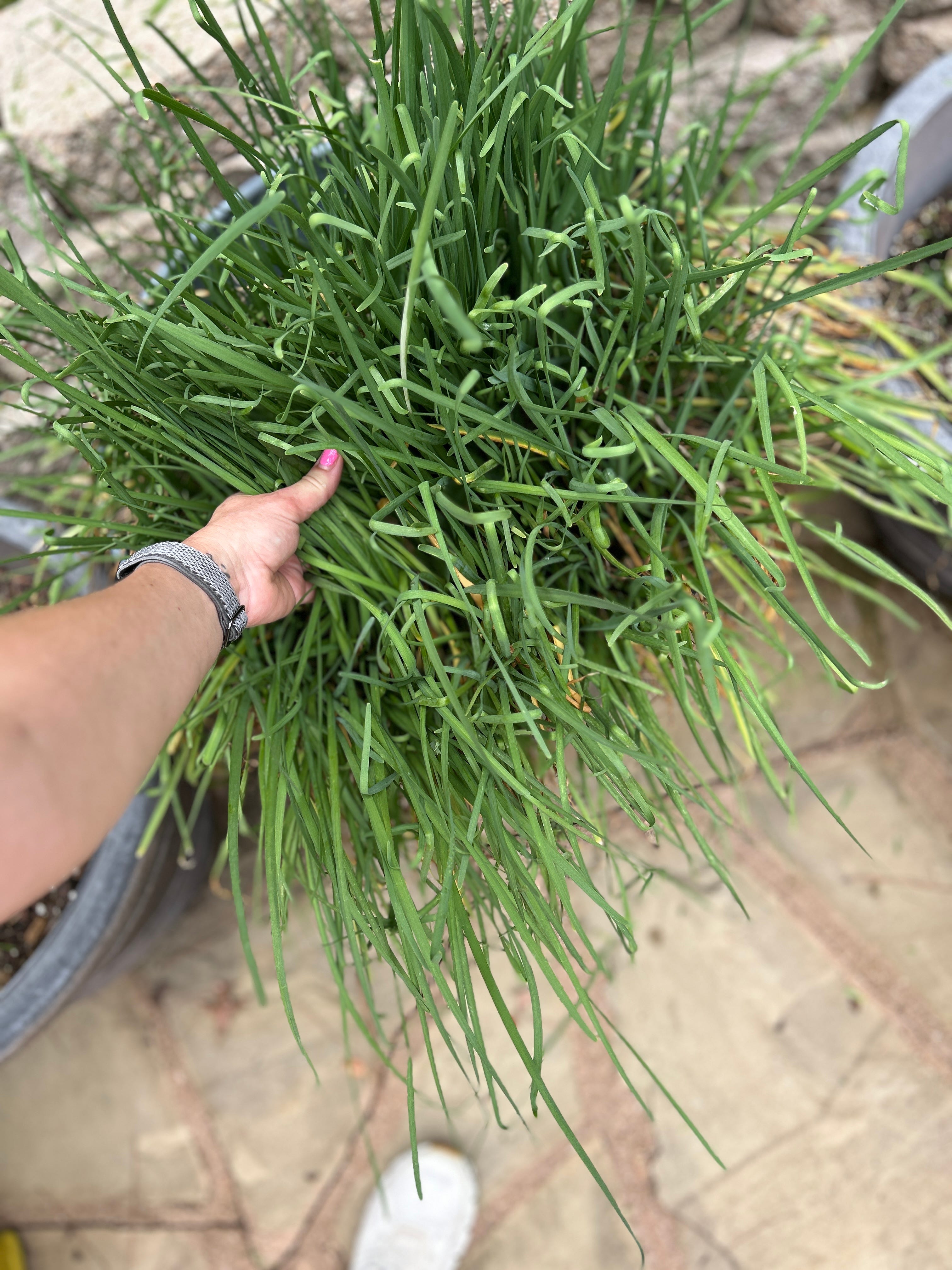
They were the first herb I grew consistently, and they changed how I thought about fresh herbs in food.
A few snips over eggs, potatoes, chicken, vegetables, or salad made everything taste fresher and more complete. Once I realized how much flavor one determined little plant could add, I wanted to grow more.
I grow what I can now and protect it as best I can.
Some herbs make that easier than others.
The chives seem prepared to outlive us all. Rosemary is fairly tough. Mint can become a hostile takeover if you let it.
Cilantro and basil require a little more emotional resilience. They are seasonal, more fragile, and usually need to be purchased and planted again each year.
I keep replacing them because I use them constantly.
And while flavor was what first pulled me in, it eventually became clear that herbs were doing far more than making dinner taste better.
Herbs are small, but they are nutritionally busy
Fresh herbs contain a wide range of plant compounds, including polyphenols, flavonoids, phenolic acids, aromatic oils, and various vitamins and minerals.
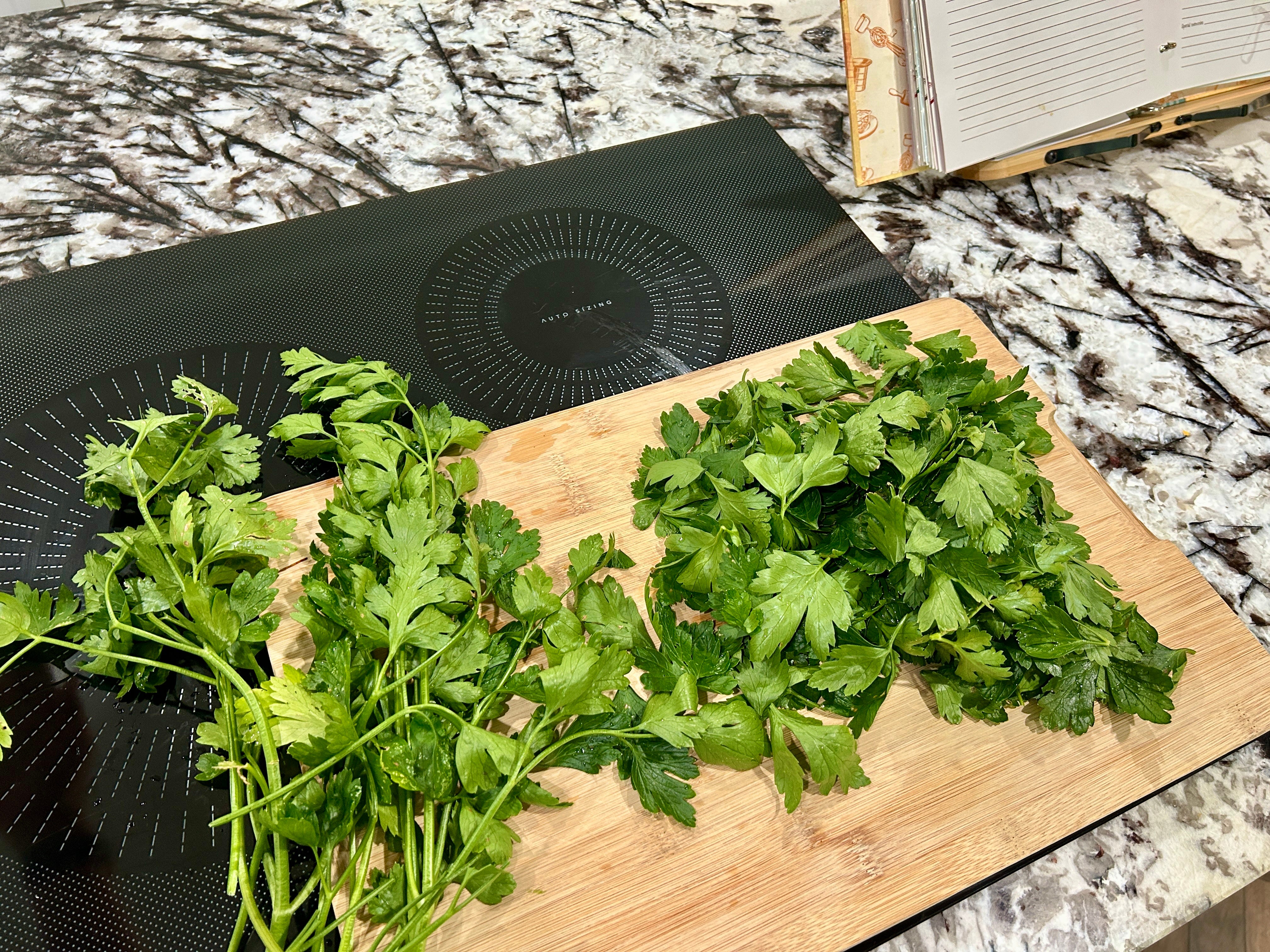
Different herbs bring different compounds to the table. Rosemary and thyme are rich in phenolic compounds. Parsley provides vitamin K, vitamin C, carotenoids, and flavonoids. Chives contain sulfur compounds related to those found in other members of the allium family.
Reviews of culinary herbs consistently describe them as concentrated sources of bioactive plant compounds, while also pointing out that their effects depend on how much we eat, how they are prepared, and the context of the overall diet.
A few chive snips will not carry your entire health plan.
Still, when herbs are used often and in real culinary amounts, they add another layer of plant variety and nutrient density to meals you were already planning to eat.
A basil leaf sitting on top of dinner is mostly decoration.
A generous handful of basil chopped into tomatoes, blended into dressing, folded into salad, or spooned over grilled chicken is food.
And that brings me to the larger reason I recommend using herbs so often.
Healthy food becomes easier to repeat when it tastes good
Most people do not need another lecture about eating vegetables.
They need vegetables that taste good enough to keep eating.
A plain cucumber is fine.
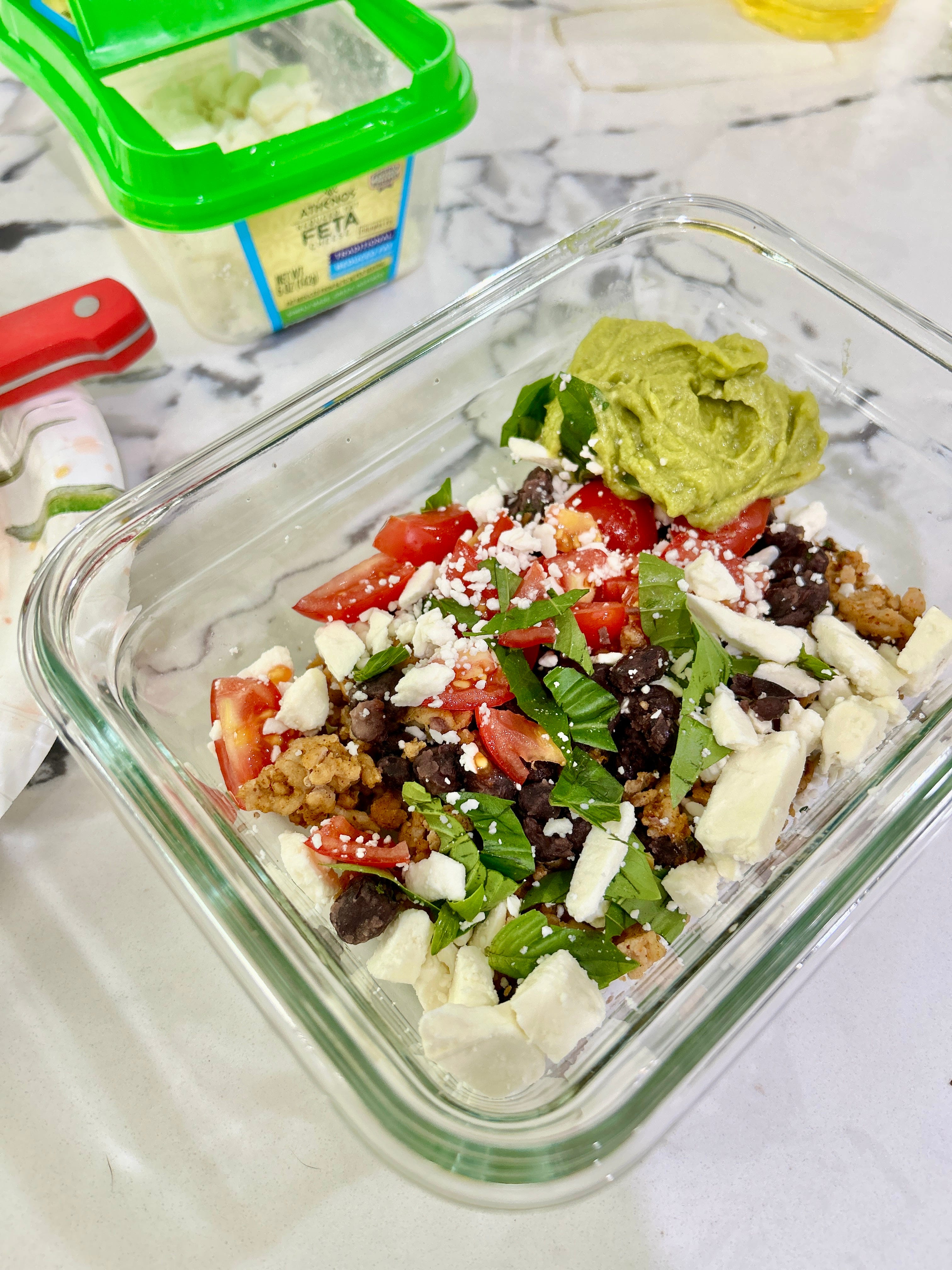
Add dill, mint, lemon, Greek yogurt, and black pepper, and now it feels like an actual dish.
Tomatoes become far more interesting with basil, parsley, olive oil, and a little sea salt.
Corn wakes up with cilantro, lime, and chili powder.
Berries taste completely different with mint, basil, or lime zest.
Chicken can move from boring to worth repeating with rosemary, thyme, parsley, lemon, garlic, and extra-virgin olive oil.
Herbs also help you change the character of a meal without finding an entirely new recipe.
The same grilled chicken can go Mediterranean with parsley and oregano, bright and summery with basil and lemon, or fresh and punchy with cilantro and lime.
That matters when you are trying to eat well consistently. Repetition can make healthy eating easier, but flavor keeps repetition from becoming a punishment.
Then I dried my own herbs
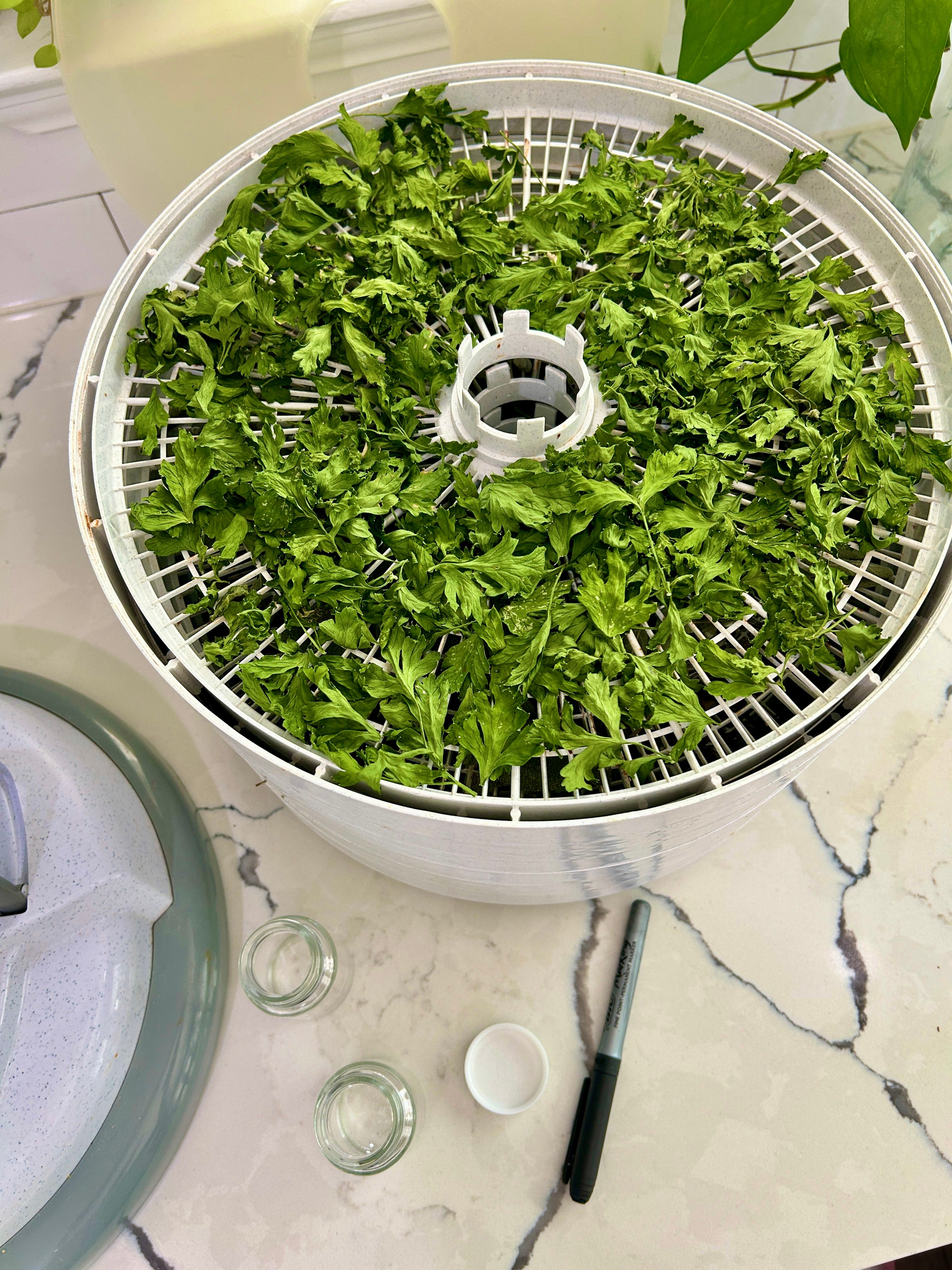
When I first got my dehydrator, one of the first things I dried was a batch of fresh herbs from outside.
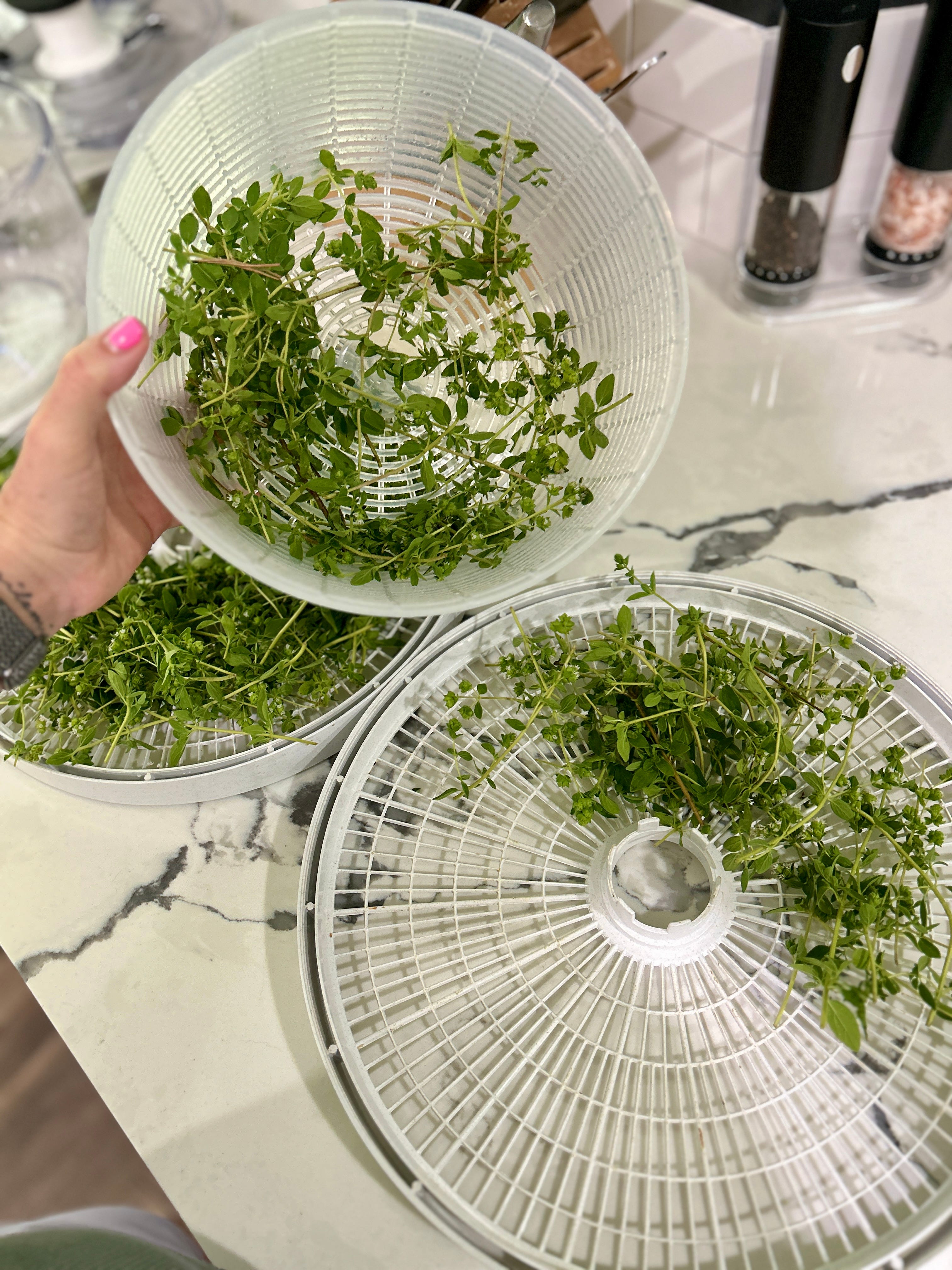
The difference surprised me.
The color was far more vibrant than the dried herbs I had been buying at the store. The aroma was stronger too.
I remember comparing those bright green home-dried herbs with the faded contents of jars from my spice cabinet and wondering how long the store-bought versions had been sitting in warehouses, trucks, stockrooms, and on shelves before reaching my kitchen.
Commercial dried herbs are not automatically inferior, and drying methods affect color, aroma, volatile compounds, and overall quality in different ways. Storage time, temperature, oxygen, moisture, and light can continue changing them after drying.
Still, that first batch made an impression.
The herbs I had grown, harvested, and dried myself looked and smelled much fresher. That alone made me want to keep doing it, before I even considered the money savings.
Now, when the plants are producing more than I can use, I can:
Harvest the extra
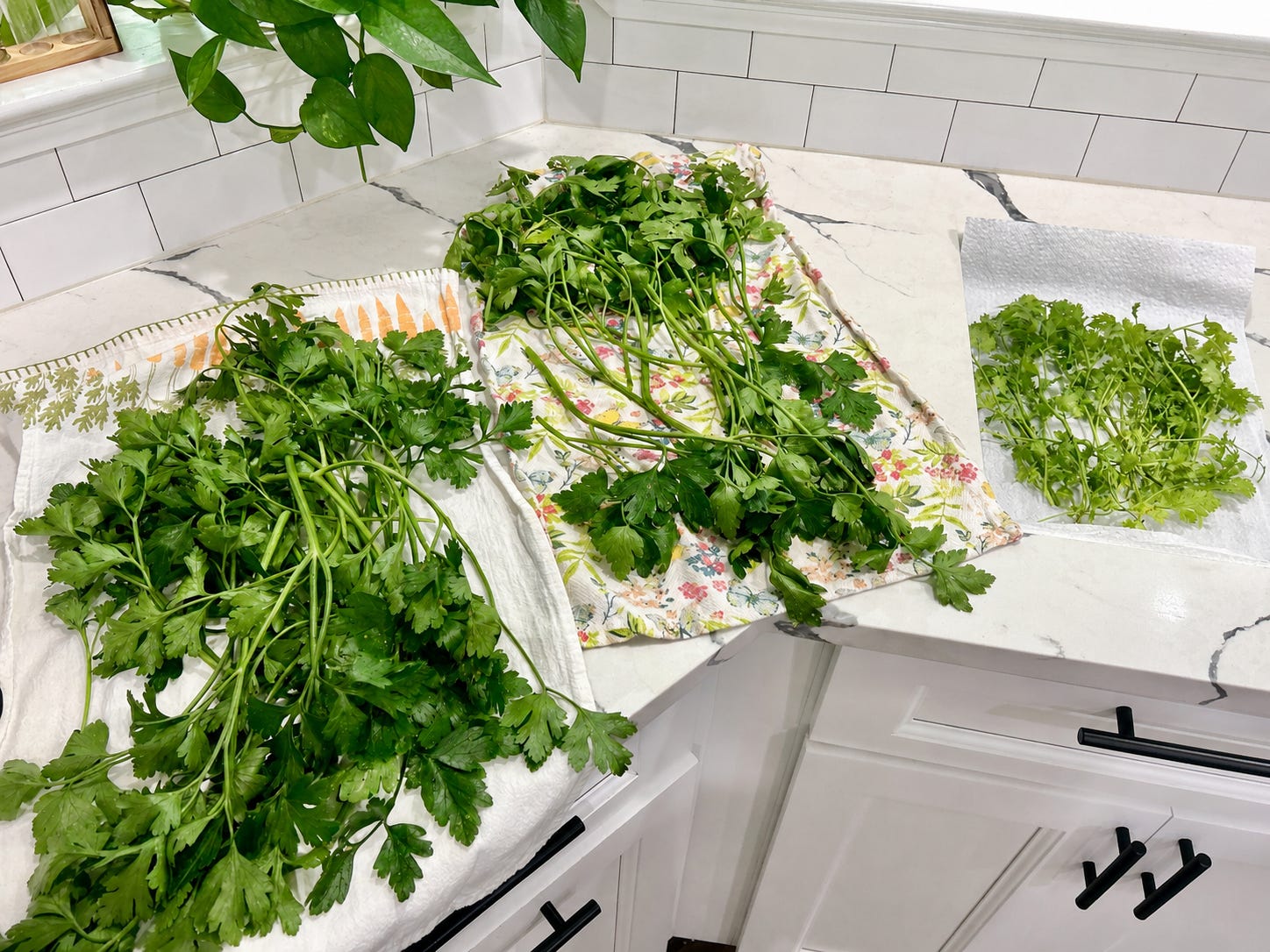
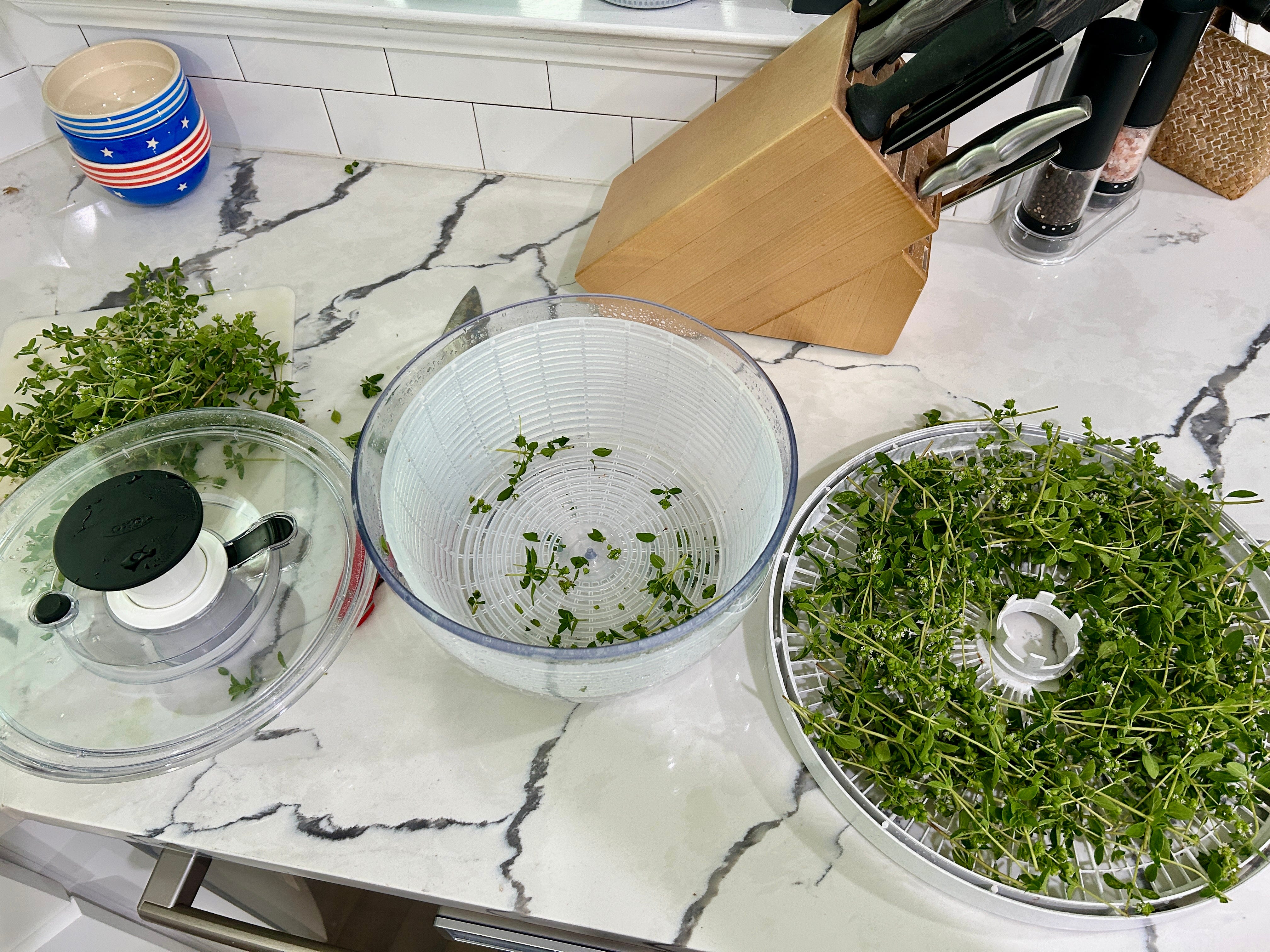
Wash and dry it thoroughly (way quicker using a salad spinner!)
Spread it across the dehydrator trays
Dry it until the leaves are crisp
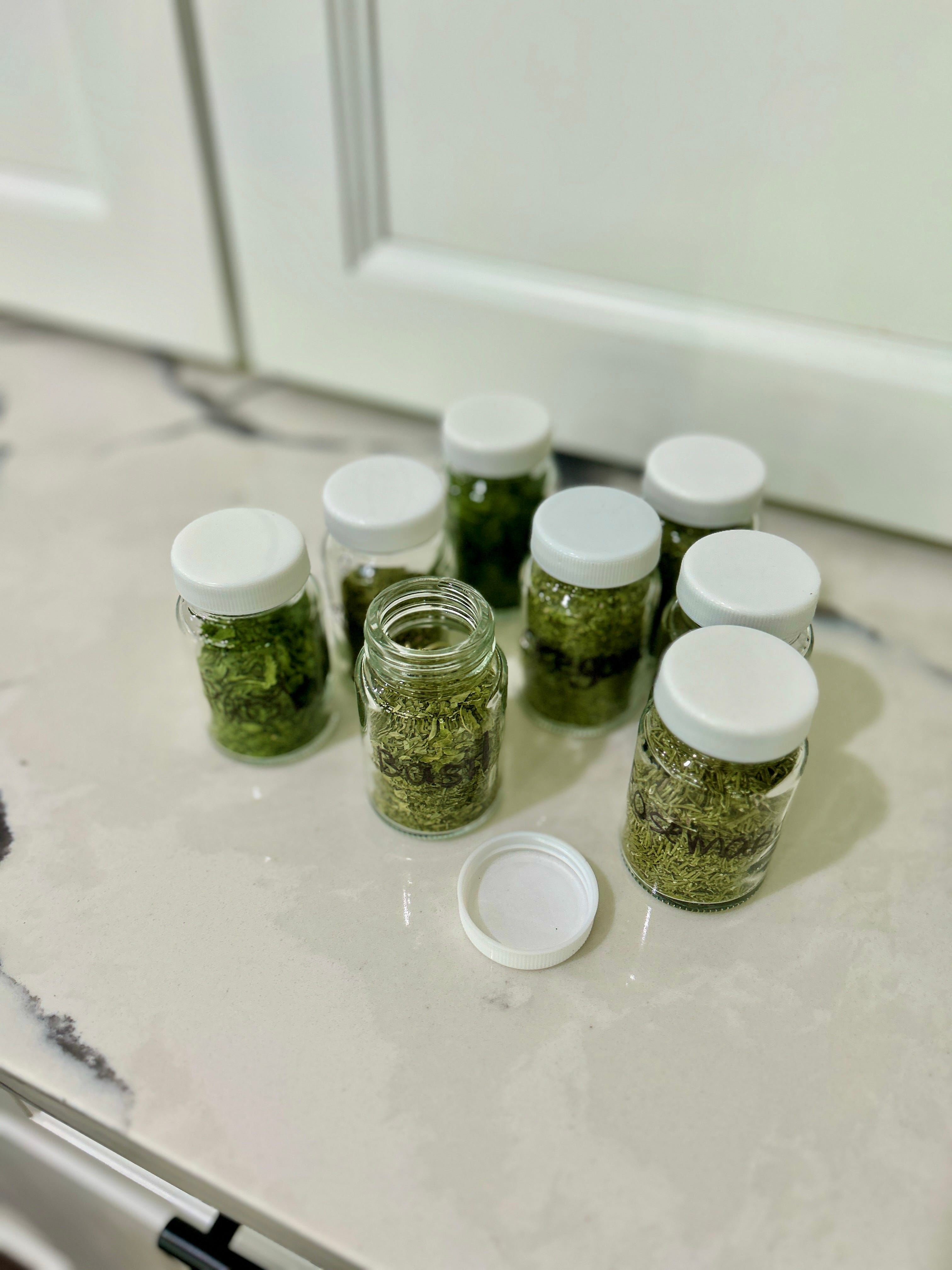
Store it in airtight jars away from heat and light
And label every jar, because dried green leaves become suspiciously similar once your memory gets involved.
Drying gives those plants another season of usefulness.
I can add rosemary and thyme to fall soups, chicken marinades, beans, and roasted vegetables. Mint can go into tea. Dried basil can season sauces when the summer plant is long gone.
A jar of home-dried rosemary in winter feels like summer doing one more useful thing for me.
Then Florence entered the picture
My brother-in-law completed two culinary-school sessions in Florence, Italy.
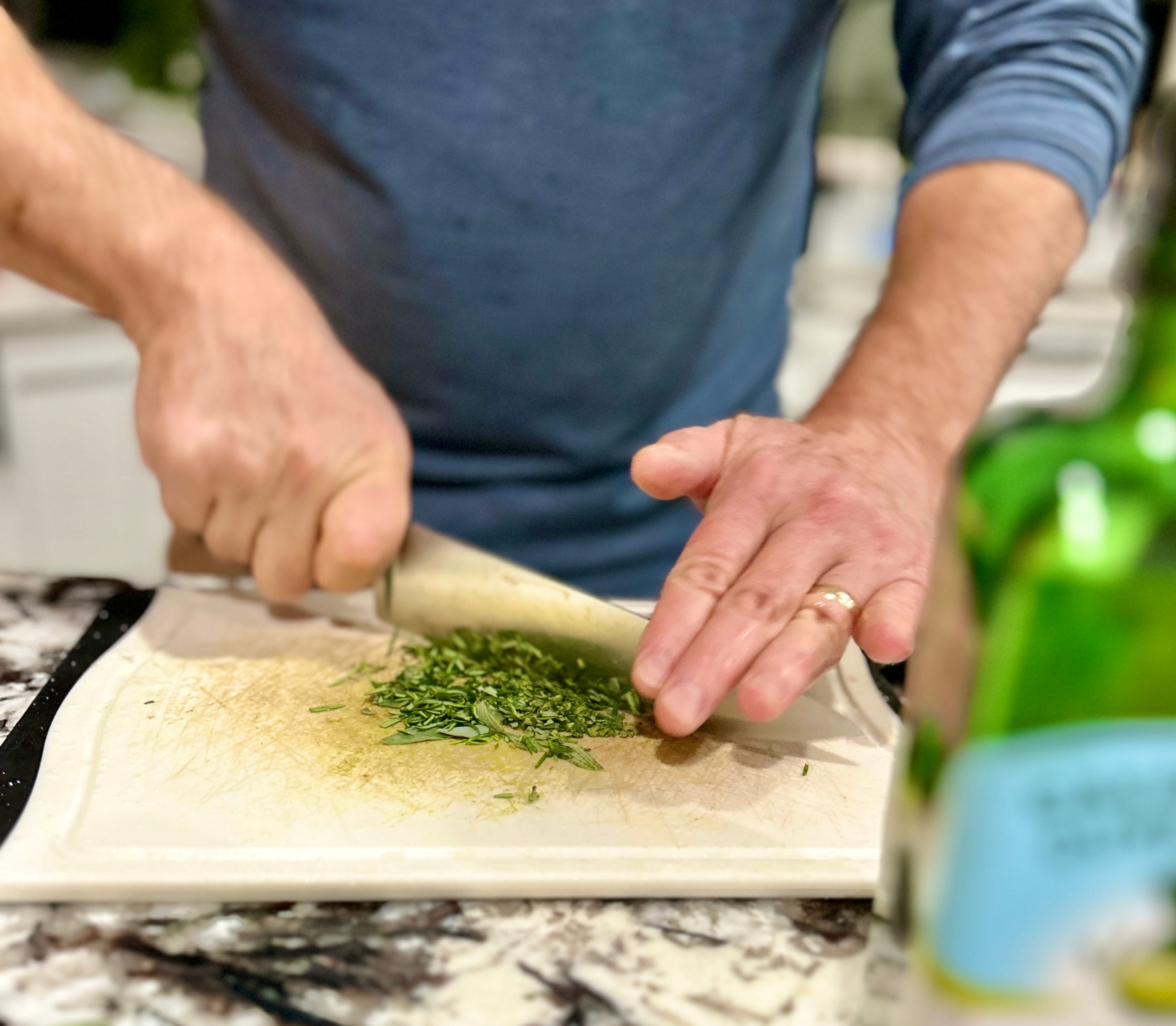
When he cooks for us, he reaches for extra-virgin olive oil and fresh herbs constantly.
He told us they use herbs in everything there.
They are folded into sauces, added to beans, scattered over vegetables, paired with meat and fish, and used to finish dishes built around fresh, simple ingredients.
Watching him cook helped me understand that herbs are part of the flavor structure of Mediterranean food.
They are not saved for one special recipe. They are used as everyday ingredients.
That fits directly with the anti-inflammatory approach I teach.
The dietary foundation I recommend is based on a slightly modified Mediterranean pattern. It emphasizes vegetables, fruit, legumes, nuts, seeds, minimally processed proteins, extra-virgin olive oil, and other whole or minimally processed foods, with adjustments for blood sugar and individual trigger foods.
Herbs fit naturally into that blueprint.
Reviews of the Mediterranean diet increasingly point out that herbs and spices are often overlooked when researchers measure adherence, even though they are part of traditional Mediterranean cooking and contribute flavor and bioactive compounds.
They pair beautifully with the foods already doing most of the nutritional heavy lifting:
Vegetables
Beans and lentils
Fish
Poultry
Whole grains
Citrus
Extra-virgin olive oil
Fresh summer produce
They also help simple ingredients taste finished without relying on sugary bottled sauces, heavy dressings, or highly processed seasoning packets.
The simple tools I use
I do not use much special equipment for herbs, but a few tools make the process easier.
These are the simple tools I use in my own kitchen. Some links may be affiliate links, which means I may earn a small commission at no extra cost to you.
Kitchen scissors
Kitchen scissors make quick work of chives and other delicate herbs when I want to snip them directly over eggs, potatoes, salads, or vegetables.
The best tool is the one you will actually grab.
Salad spinner
I use a salad spinner to wash and dry batches of herbs.
Getting the excess water off matters, especially before dehydrating. Herbs dry more evenly when they are clean and thoroughly dry before they go onto the trays.
Dehydrator
The food dehydrator lets me preserve whatever I cannot use fresh.
I arrange the herbs in a single layer and dry them until they are completely crisp. The exact time varies based on the herb, the amount of moisture, and the dehydrator. It also lets you set the temperature so you’re preserving as many beneficial enzymes as possible.
Glass jars
Once the herbs are fully dry, I store them in airtight glass jars away from heat, moisture, and direct light.
And I label them immediately.
Rosemary is easy enough to recognize later. Parsley, cilantro, and other dried green leaves can turn into a small pantry identity crisis.
Fresh and dried both belong in the kitchen
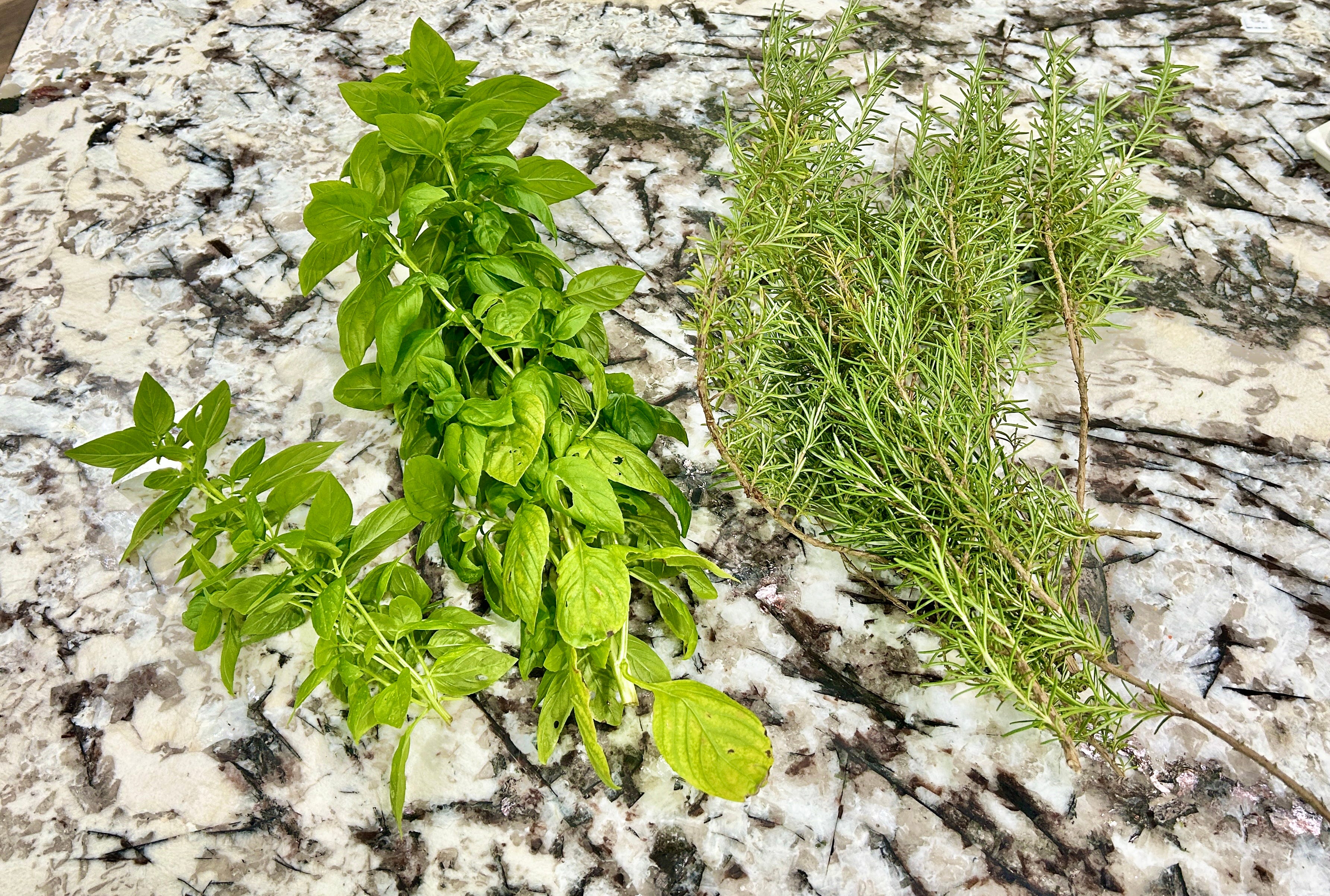
Fresh herbs bring brightness, volume, color, and a finishing layer of flavor.
I reach for them in:
Salads
Dressings
Yogurt sauces
Fresh produce
Fruit
Grilled meals
Cold summer dishes
Dried herbs bring concentration and convenience.
They work well in:
Soups
Beans
Marinades
Rubs
Roasted vegetables
Longer-cooked dishes
Fresh herbs are wonderful while the plants are producing. Dried herbs make it easier to carry that flavor into the rest of the year.
Both count.
Start with one herb you already love
You do not need a formal garden, matching terracotta pots, or handwritten plant markers.
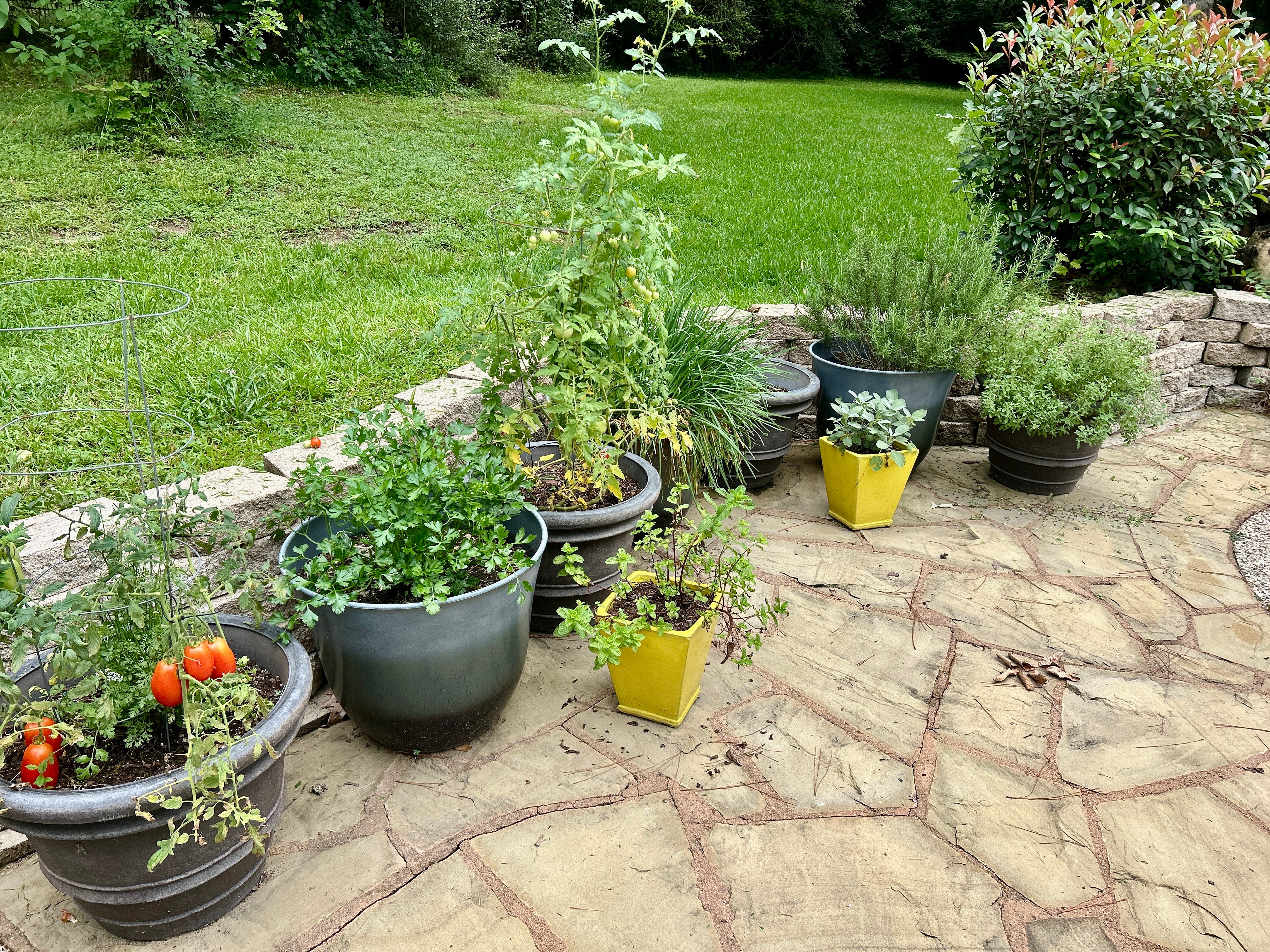
A sunny patio, a few containers with drainage holes, and decent potting soil can be enough. (Also a few that grow on your kitchen windowsill can be enough.)
Start with an herb you already use.
Maybe that is:
Chives for eggs, potatoes, and salads
Basil for tomatoes, chicken, and berries
Rosemary for poultry, beans, and vegetables
Mint for fruit, cucumber, tea, and sparkling water
Cilantro for corn, slaw, beans, and lime
Dill for cucumber, salmon, eggs, and yogurt sauce
Parsley for dressings, beans, salads, and grilled meat
Place it close enough to the kitchen that you remember it exists.
Use it generously.
Protect it from the worst of the weather when you can.
Replace it when necessary.
I am not trying to win a gardening award. I am trying to keep useful food alive long enough to eat it.
Those first chives taught me that a tiny plant could change the flavor of an ordinary meal.
Growing more herbs showed me how much variety and nutrition they can add.
Drying them gave me a way to carry part of summer into the rest of the year.
And watching my brother-in-law cook after studying in Florence showed me how herbs fit into a larger way of eating, one built around fresh food, olive oil, produce, and simple ingredients used well.
Start with one pot.
You may be surprised how much it keeps giving back.
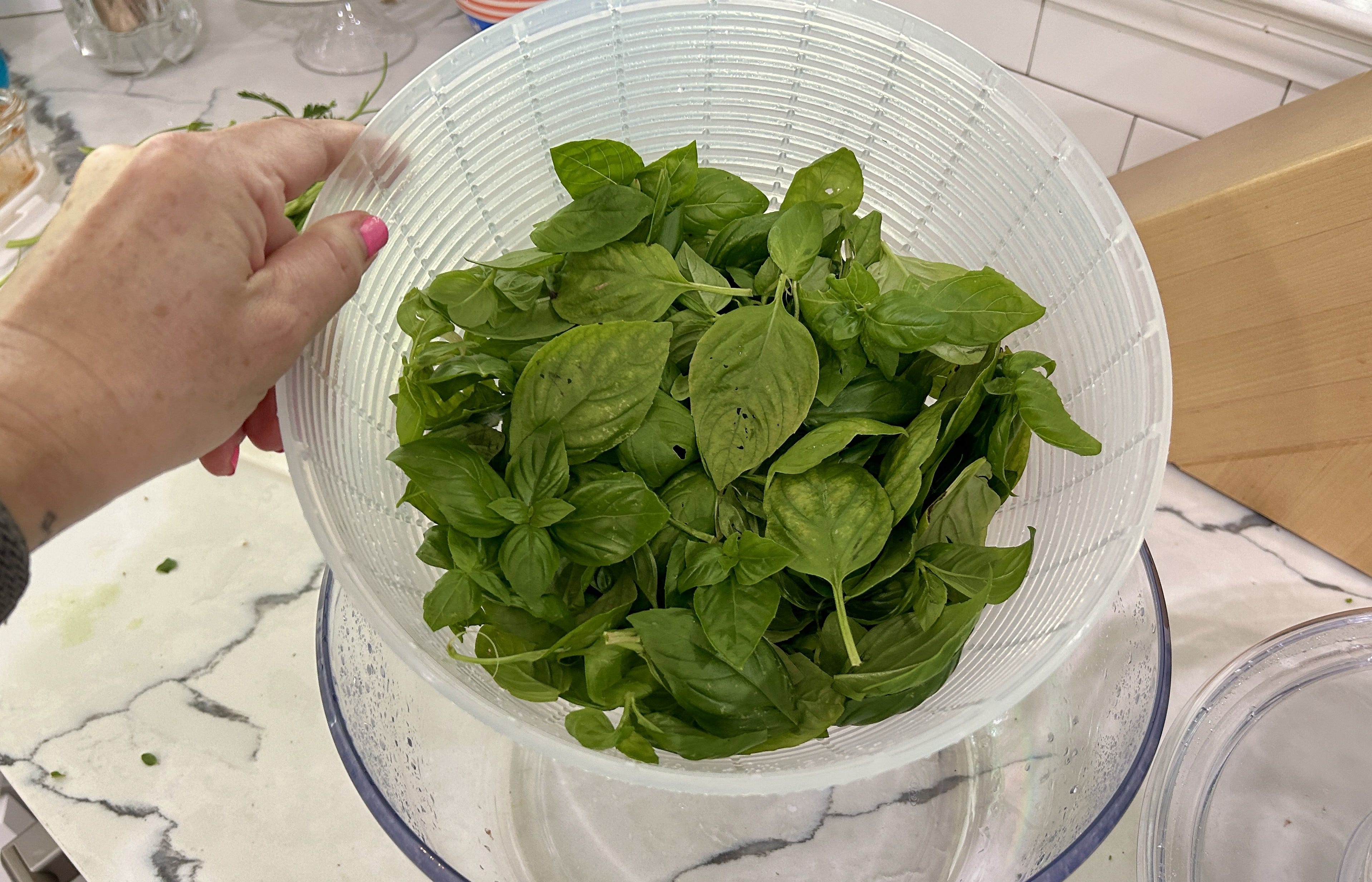
You grow the basil. I’ll help you use it.
Fresh herbs can make simple meals far more interesting. Deciding what to cook every day is usually the harder part.
Inside ✨Alchemy, the weekly anti-inflammatory meal plans pair seasonal produce, herbs, protein, and flavor-building ingredients into complete meals, with the shopping and prep guidance already mapped out.
You can spend your energy keeping the cilantro alive. I’ll handle what to make for dinner.
If you want this turned into actual meals and plans you can follow, the ✨Alchemy membership is built for exactly that. Every week, paid subscribers get a new meal plan designed around fresh seasonal produce, with a shopping list, prep workflow, and recipes that take all of this out of the theoretical and into your actual kitchen. No guesswork about how to combine these foods or what to make for dinner. It’s already built.

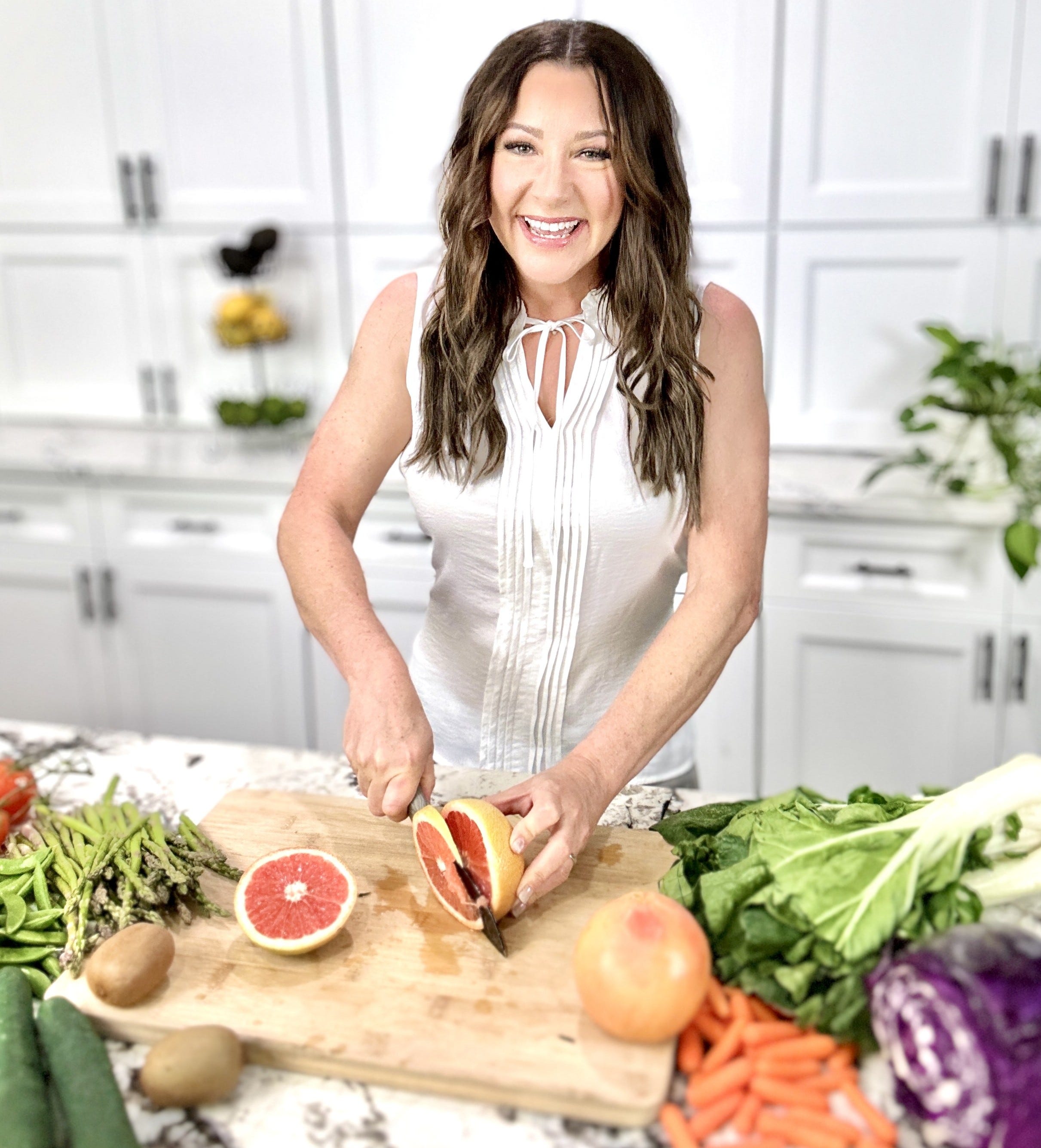
✨ Why upgrade to Alchemy? ✨
Every Friday: A done-for-you anti-inflammatory meal plan with shopping list and prep guide. No more Sunday decision fatigue.
2x/month: Deep dive essays that go further on inflammation, blood sugar, emotional eating, and real-life implementation than the free tier.
Every season: A full Seasonal Reset Protocol and 90-Day Goal Session to help you recalibrate before each new season instead of scrambling to catch up.
On arrival: The Anti-Inflammatory Starter Kit, yours the day you join.
For free subscribers, you already get:
Educational essays on anti-inflammatory eating, blood sugar balance, and sustainable habits (2x/month)
Personal essays from my client work and my own experience navigating inflammation, cravings, and a lifestyle that actually holds (1x/month)
A free meal plan preview each month
For less than a dollar a day, you get the full system in the ✨Alchemist Lab: weekly plans, seasonal resets, and a growing library of tools built for women who are done guessing and ready to build something sustainable.