20 Summer Foods that Decrease Inflammation in the Body
The season of bumper crops is here! (take advantage)

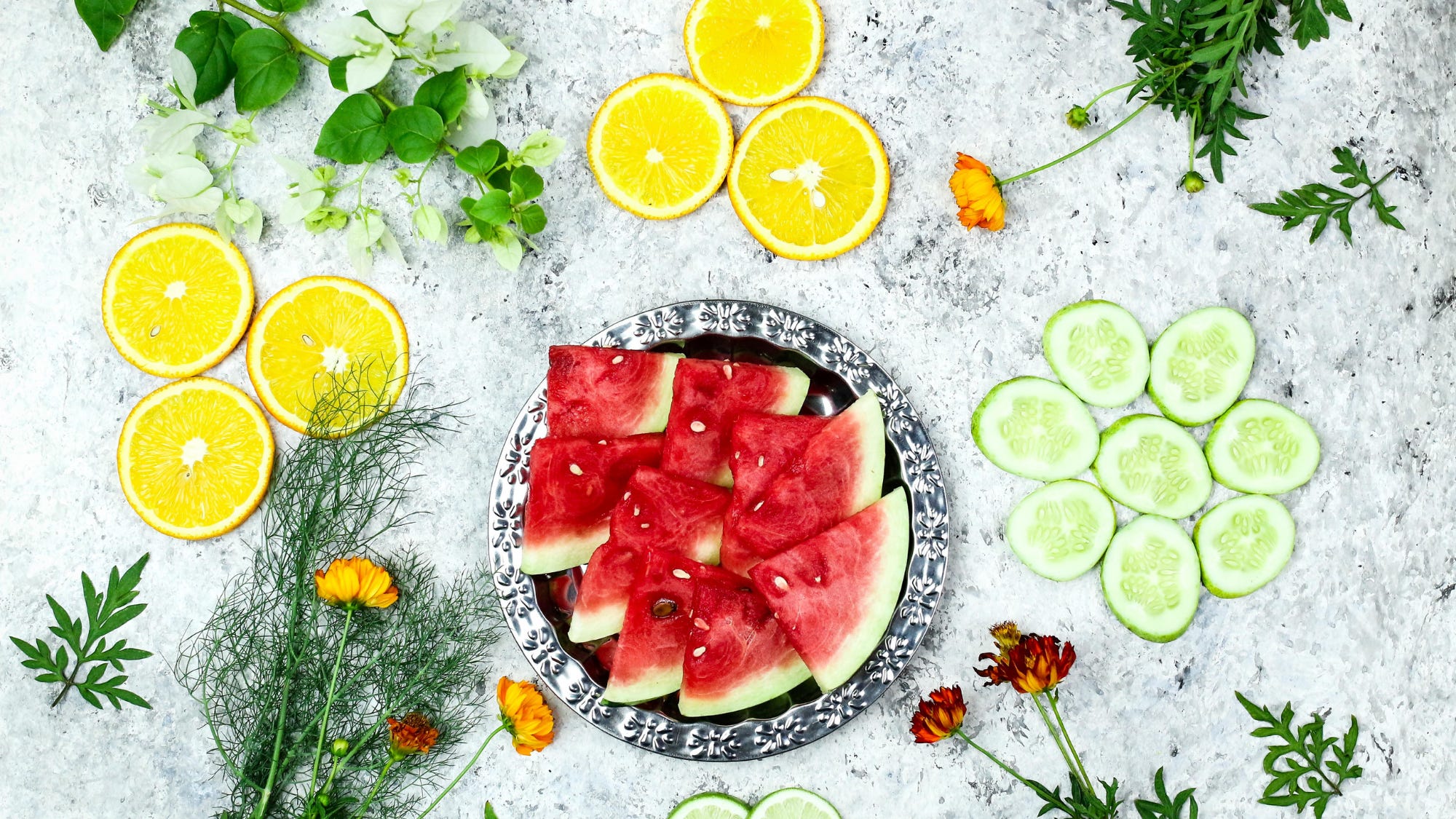
Summer is here, and it’s the perfect time to savor the flavors of the season with these 20 foods that reduce inflammation in the body.
I grew up on a farm, which means I spent a solid chunk of my twenties actively rebelling against produce. I’d had enough of gardens, enough of shelling peas, enough of dirt under my fingernails. I wanted convenience and air conditioning and food that came from a store, thank you very much.
It took me longer than I’d like to admit to come back around.
What changed was learning what polyphenols actually do inside the body … especially after all the chronic conditions I’ve dealt with over the years (prediabetes, allergies, osteoarthritis, etc). Once I understood how the compounds in colorful, whole produce directly calm inflammatory pathways and support blood sugar balance, something clicked.
These weren’t just “healthy foods” in the vague way we’ve all been told to eat our vegetables. They were doing specific, measurable work at a cellular level.
And honestly … They’re really good. Summer produce especially. There’s a reason these foods have been staples for thousands of years, and it’s not just nutrition. It’s flavor.
So here are 20 summer foods that fight inflammation and support blood sugar stability, organized by vegetables, herbs, and fruit. I’ll tell you what each one actually does, how to use it in real meals, and where blood sugar fits into the picture, because that’s where a lot of the leverage actually lives.
Summer Vegetables
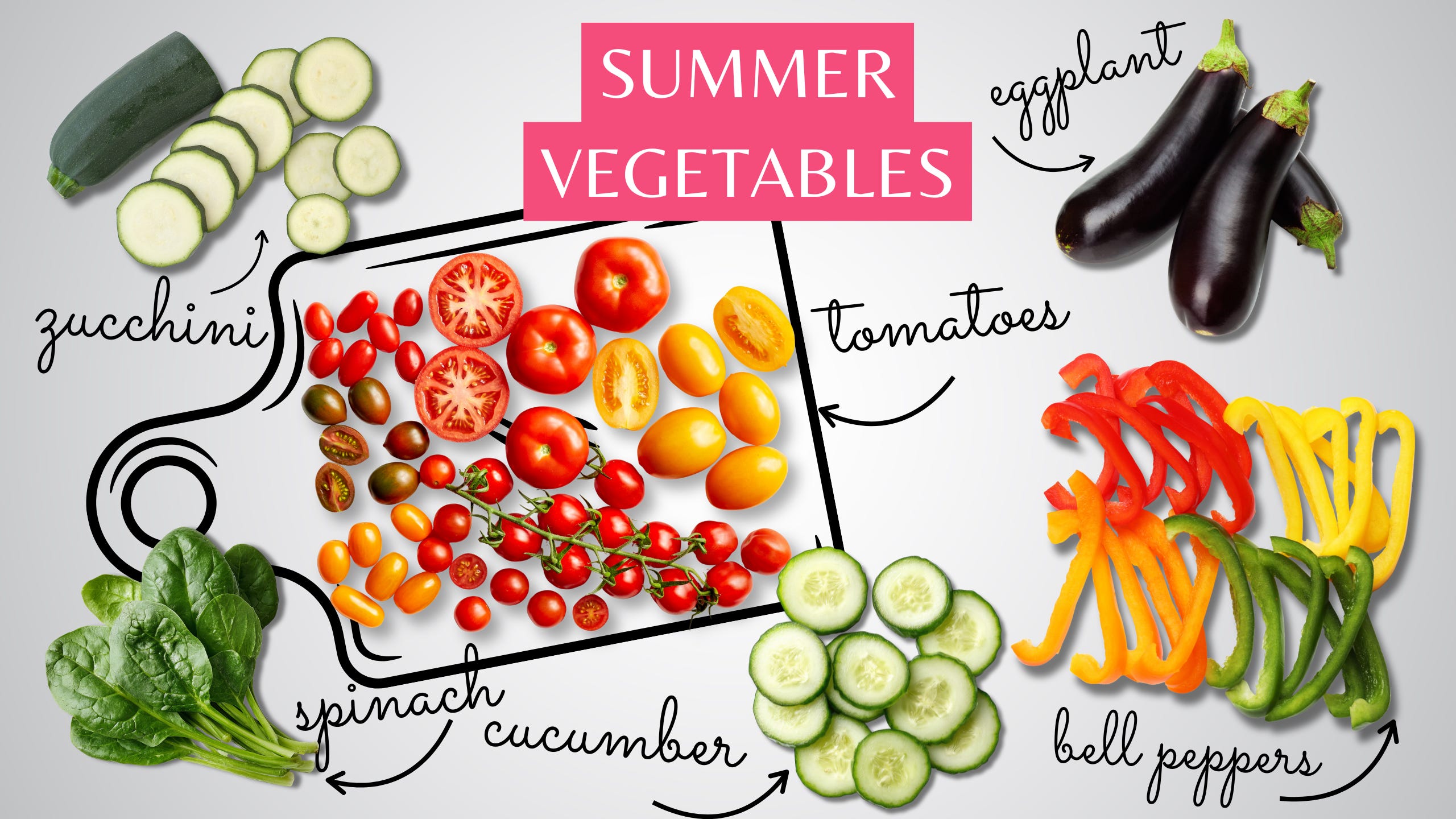
Tomatoes
Tomatoes are one of the richest food sources of lycopene, a fat-soluble antioxidant that helps neutralize free radicals and pull down inflammation.
The fat-soluble part matters for a practical reason: your body absorbs significantly more lycopene when tomatoes are eaten with a fat source.
So tomatoes drizzled with olive oil isn’t just a Mediterranean tradition. It’s a nutrient delivery system.
Here’s the other thing most people don’t know: cooking tomatoes actually increases their lycopene availability. Raw tomatoes are great, but roasted tomatoes, slow-simmered sauces, and even canned tomatoes give you more of the compound your body can use. It’s one of the few foods that gets more nutritious with heat.
Beyond lycopene, tomatoes provide vitamins A and C, potassium, and a solid amount of fiber relative to their water content. From a blood sugar standpoint, they’re very low glycemic and work beautifully as a volume food, meaning you can eat a lot of them without much impact on glucose levels.
→ Use them raw with olive oil and flaky salt, roast them on sheet pans, blend them into sauces, or chop them into salsas. They belong in heavy rotation all summer.

Bell Peppers
Most people don’t realize that bell peppers contain more vitamin C than oranges. A single red bell pepper has nearly three times the vitamin C of a medium orange, which makes them one of the most potent antioxidant vegetables you can eat during summer.
Color matters here. Green bell peppers are just unripe versions of red, orange, and yellow peppers. The riper (more colorful) versions have significantly more beta-carotene, more vitamin C, and a sweeter flavor. If you’ve only ever bought green peppers because they’re cheaper, it’s worth rotating in the colored ones when you can.
Bell peppers also contain capsaicin (in much milder amounts than hot peppers), which has been studied for its pain-relieving and anti-inflammatory effects. They’re very low in carbohydrates with an excellent fiber-to-carb ratio, which makes them a solid snack vehicle.
→ Sliced bell peppers with hummus, guacamole, or an olive oil-based dip is one of the easiest blood-sugar-friendly swaps for chips or crackers.
Spinach
Spinach gets a lot of general “superfood” praise, but the compound that deserves more attention for inflammation and blood sugar is magnesium. Spinach is one of the best food sources of magnesium, and magnesium deficiency is shockingly common, especially in women. This matters because low magnesium is directly linked to increased inflammation and reduced insulin sensitivity. It’s one of those nutritional gaps that affects both blood sugar and inflammatory load at the same time.
Beyond magnesium, spinach delivers vitamins A, C, and K, folate, and iron. It also contains flavonoids and carotenoids that work as anti-inflammatory antioxidants.
→ A practical note on raw vs. cooked: both have a place. Raw spinach works in smoothies and salads. Cooking spinach reduces its oxalate content (which can interfere with mineral absorption) and concentrates nutrients, so a big pile of wilted spinach in your eggs or stirred into a soup is giving you more bang for the bite than the same volume raw.
From a blood sugar perspective, spinach has virtually zero glycemic impact. It’s one of those foods you never need to think twice about.
Cucumbers
Cucumbers are about 95% water, which makes them a natural hydration tool during summer, and chronic dehydration does contribute to increased inflammatory markers. But cucumbers aren’t just water. The skin and seeds contain fisetin, a flavonoid that’s been studied for its anti-inflammatory and neuroprotective properties. Research on fisetin is still relatively early, but it’s showing up consistently in studies on brain health and inflammatory reduction.
The key with cucumbers is to leave the skin on. That’s where most of the fiber, fisetin, and other beneficial compounds live. If you’re peeling your cucumbers, you’re removing the most useful parts.
→ They’re about as blood-sugar-neutral as a food can be. Use them sliced in water, chopped into salads, or as a crunchy base for dips.
Zucchini
Zucchini is one of the most versatile summer vegetables, and I think it’s underrated for how well it substitutes into meals where you want to lower the carbohydrate load without feeling like you’re missing something. Spiralized into noodles, sliced and grilled, diced into soups, or baked into fritters, zucchini absorbs flavors well and adds bulk to a meal with very little glycemic impact.
It’s a solid source of fiber, manganese (which plays a role in antioxidant enzyme function), and vitamins A and C. Nothing flashy on its own, but the real value is in what it displaces. When zucchini takes the place of pasta, breadcrumbs, or higher-carb sides, it lowers the overall glycemic load of the meal while keeping you satisfied.
→ Grilled zucchini with olive oil, a squeeze of lemon, and fresh herbs is one of the simplest summer sides that exists, and it’s genuinely delicious, not just “healthy-delicious.”
Eggplant
Eggplant contains a compound called nasunin, which is concentrated in its purple skin and is one of the more unique antioxidants in the vegetable world. Nasunin is a potent free-radical scavenger that’s been studied specifically for protecting cell membranes from oxidative damage.
Beyond nasunin, eggplant provides fiber, potassium, and manganese. It’s low in carbohydrates and high in the kind of fiber that helps slow digestion when combined with other foods in a meal.
→ The reason eggplant gets a bad reputation is that most people don’t cook it well. Undercooked eggplant is spongy and bitter. The fix is simple: roast or grill it at high heat. High heat caramelizes the natural sugars, transforms the texture, and eliminates bitterness. Roasted eggplant with olive oil, garlic, and tomatoes is one of the best Mediterranean flavor combinations that exists, and every ingredient in that combination is actively working against inflammation.
Summer Herbs
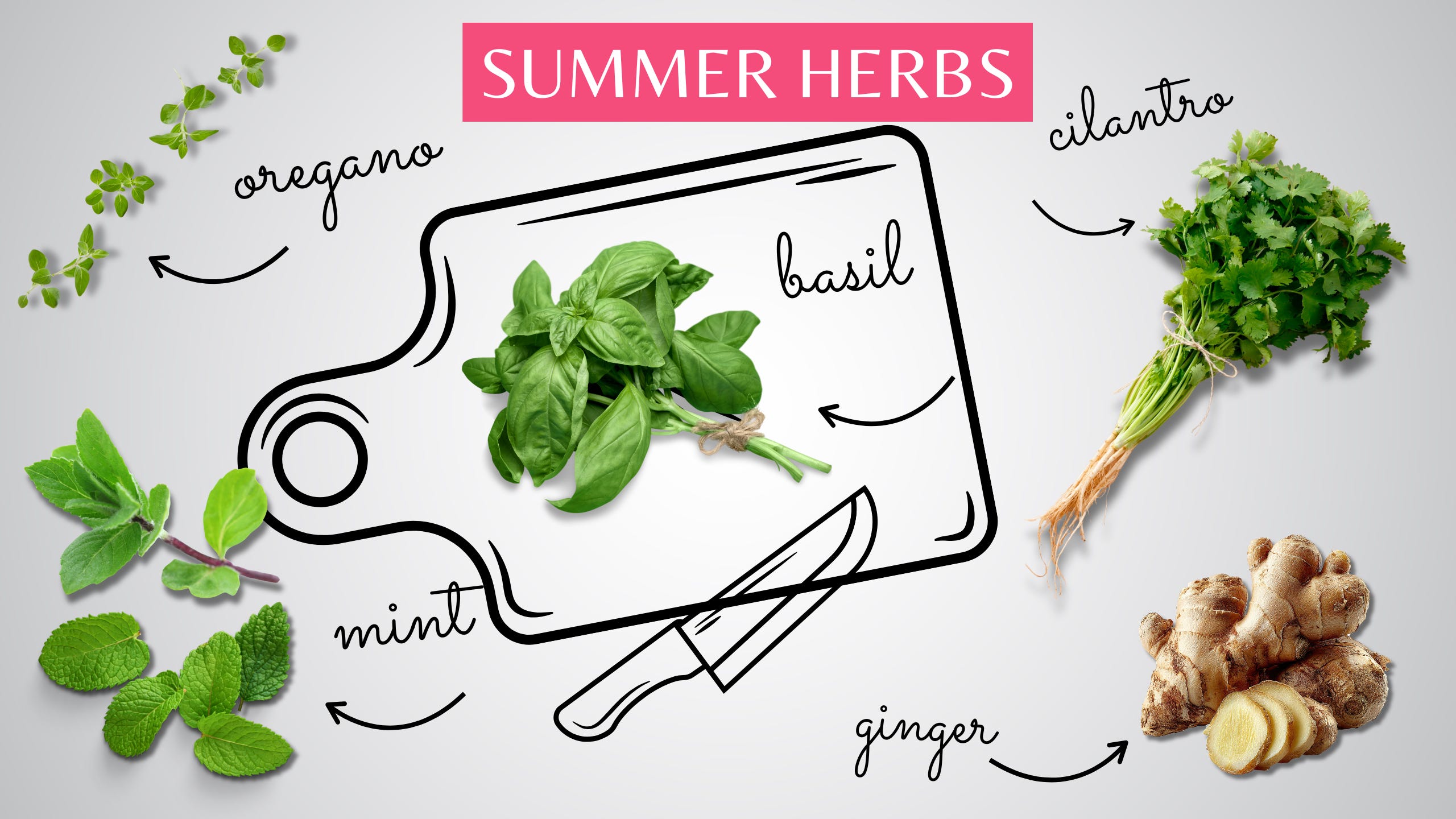
Summer is the peak season for fresh herbs, and they are one of the most underused tools in anti-inflammatory cooking.
Most people treat herbs as garnish, a little sprinkle of green on top of a finished dish. But herbs are concentrated sources of antioxidants and anti-inflammatory compounds. Gram for gram, fresh herbs contain more polyphenols than most vegetables.
We grow herbs in our backyard, and they end up in almost everything we cook during summer. My brother-in-law went to Italy for cooking school, and one of the things that stuck with me from his cooking is how generously Italian cuisine uses fresh herbs. Not as decoration. As a core ingredient. Once you start cooking that way, food tastes noticeably different, and you’re getting anti-inflammatory benefits without even trying.

One practical note that applies to all fresh herbs: add them at the end of cooking. Heat degrades the volatile oils that give herbs both their flavor and their anti-inflammatory properties.
→Dried herbs can go in early.
→Fresh herbs go in at the last minute, or on top of the finished dish.
Basil
Fresh basil contains essential oils, including eugenol, linalool, and rosmarinic acid, all of which have documented anti-inflammatory and antioxidant effects. Eugenol specifically has been studied for its ability to reduce pain and inflammation through pathways similar to some over-the-counter anti-inflammatory medications.
→ Summer is when basil is at its peak. It’s more flavorful, more abundant, and less expensive than any other time of year. Caprese salad (tomatoes, fresh mozzarella, basil, olive oil) isn’t just a classic because it tastes incredible. Every component in that combination is doing anti-inflammatory work. Blended into pesto, torn over grilled vegetables, or layered into a sandwich, basil earns its place as a summer staple.
Cilantro
Cilantro is polarizing (and the people who hate it can genuinely blame their genetics; there’s a real genetic component to how cilantro tastes). But if you’re in the camp that enjoys it, cilantro is a strong addition to summer cooking. It contains antioxidant compounds that help reduce inflammatory markers, and it supports the body’s natural detoxification processes, particularly around heavy metals.
→ It’s best used fresh: in salsas, over tacos, in grain bowls, or blended into dressings and sauces where its bright, sharp flavor can cut through richer ingredients.
Mint
Mint contains menthol, which gives it that signature cooling effect and also acts as an anti-inflammatory compound. It’s one of the most well-documented herbs for digestive support, helping to calm everything from bloating to nausea. There’s also some early evidence that peppermint may support insulin sensitivity, though the research is still developing.
→ Mint is one of the easiest herbs to grow at home (almost too easy; it will take over your entire garden if you let it). It pairs beautifully with fruit, works in both savory and sweet applications, and makes water actually interesting to drink. Mint-infused water is one of the simplest summer habits with real benefits. (See our deep dive on hydration during summer 👇)
Hydration Is a Blood Sugar Strategy: How to Stay Cool, Steady, and Less Inflamed This Summer

A few years ago, I started waking up in the middle of the night with vicious cramps in my feet. The kind that pull you straight out of sleep and have you hobbling around the bedroom at 2am. Around the same time, I started getting recurring UTIs. I figured they were unrelated annoyances. My doctor did not.
Ginger
Ginger is technically a root, not an herb, but it belongs in summer cooking just as much as winter cooking because it works brilliantly in cold preparations. Fresh ginger contains over 400 bioactive compounds, with gingerol being the most studied for its anti-inflammatory and antioxidant effects.
What makes ginger especially relevant for this brand’s audience is the blood sugar evidence. Multiple studies have shown that ginger improves fasting blood sugar levels and supports insulin sensitivity. It’s one of the strongest blood-sugar-supporting foods on this entire list, and most people only think of it as a cold remedy.
→ Fresh ginger is more potent than dried for anti-inflammatory benefits. Grate it into salad dressings, steep it in iced tea, blend it into smoothies, or add it to stir-fries. Keep a piece of ginger root in the freezer; it grates more easily frozen and lasts for months.
The Summer Herb Garden: Sage, Oregano, and Dill
These three deserve a place in your summer cooking even if they don’t get the headlines that basil and mint do.
Sage contains flavonoids and antioxidants that have been studied for an impressively wide range of benefits, from reducing blood sugar to supporting cognitive function. Its earthy flavor pairs especially well with poultry, roasted summer vegetables, and even infused into iced teas.
Oregano is a powerhouse of flavonoids and terpenes that modulate the immune response and reduce inflammation. It’s a staple in Mediterranean and Italian cooking for a reason, and adding it to marinades, grilled meats, and tomato-based dishes makes them taste better and work harder.
Dill’s anti-inflammatory properties come from its high flavonoid content, and it’s especially useful for digestive support. It pairs naturally with cucumbers, fish, yogurt-based sauces, and summer salads.
The principle across all of these is the same: fresh herbs add anti-inflammatory compounds to your meals with zero extra calories, zero extra effort, and a significant flavor upgrade. Use them generously.
Summer Fruit
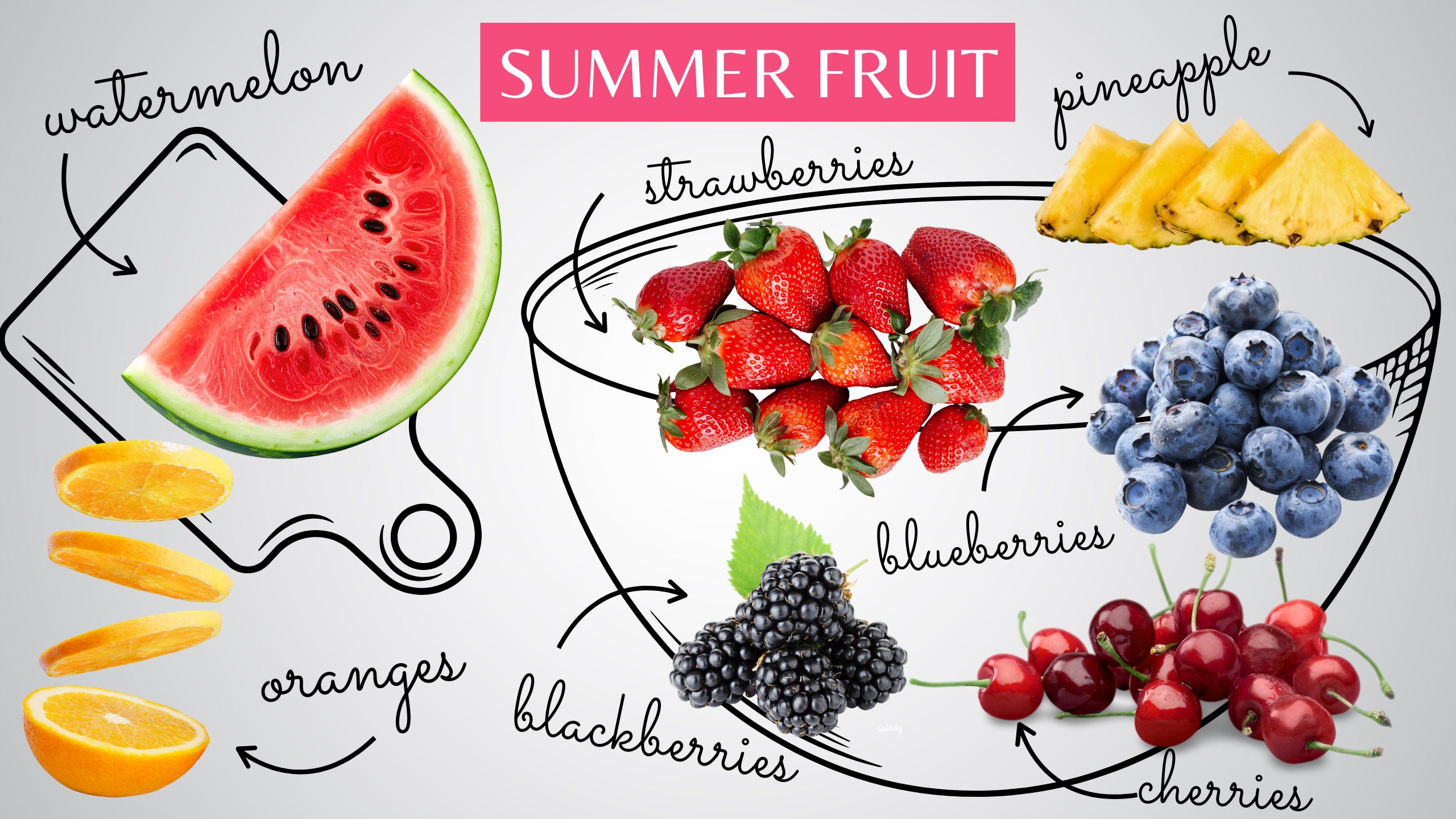
Summer fruit is where most people have no trouble eating anti-inflammatory foods. Nobody needs to be convinced to eat berries and watermelon when it’s hot outside. The more useful conversation is how to eat fruit in a way that supports blood sugar rather than working against it.
This isn’t about fearing fruit or restricting it. It’s strategy. Whole fruit contains fiber that slows sugar absorption; juice removes that fiber and concentrates the sugar. Pairing fruit with a protein or fat source (Greek yogurt, nuts, cheese) blunts the glucose response further. And paying attention to portion size matters more with higher-sugar fruits like pineapple than with berries.
None of that means fruit is the enemy. It means there’s a smarter way to enjoy it, and summer is the perfect time to build that habit.
Blueberries
If I had to pick one fruit for inflammation and blood sugar, blueberries would be it. Their deep blue color comes from anthocyanins, which are among the most heavily studied anti-inflammatory compounds in the entire food world. They also contain vitamins C and E and a strong fiber content.
But here’s what makes blueberries exceptional: multiple studies have shown that they actually improve insulin sensitivity. Not just “don’t spike blood sugar.” Actively improve how your body handles glucose. That’s a different category entirely, and it’s rare to find a food with that kind of evidence behind it.
I’ve always loved pick-your-own berry farms. There are a lot of them around where I grew up, and my kids love going to these, too. There’s something about eating berries that came off the bush an hour ago that no grocery store can replicate. We plop them into Greek yogurt, toss them into smoothies, and during summer we make homemade sugar-free ice cream that our whole family loves. It’s become one of our favorite summer traditions.
→ Frozen blueberries are just as nutritious as fresh and usually cheaper. Keep bags in the freezer for smoothies and quick snacks year-round.
Blackberries
Blackberries share the anthocyanin profile that makes blueberries so powerful, but they also bring an exceptionally high fiber content to the table. One cup of blackberries has about 8 grams of fiber, which is among the highest of any fruit. That fiber does double duty: it feeds beneficial gut bacteria (supporting the gut-inflammation connection) and it significantly slows sugar absorption.
Blackberries also contain ellagic acid, a polyphenol that’s been studied for its anti-inflammatory and anti-cancer properties. Like blueberries, they’re a fruit you can eat without worrying much about blood sugar impact because the fiber-to-sugar ratio is so favorable.
→ They’re incredible fresh, in smoothies, or mixed into yogurt. If you’re near a pick-your-own farm, blackberries are one of the best summer harvests you can bring home.
Strawberries
Strawberries are packed with vitamin C (one cup provides more than a full day’s requirement), manganese, and a variety of flavonoids that reduce inflammatory markers. They contain fisetin (the same compound found in cucumbers), which is being studied for its effects on brain health and inflammatory reduction.
From a blood sugar perspective, strawberries are one of the lower-glycemic fruits available. Their fiber content helps moderate glucose response, and they pair naturally with protein sources like yogurt, cottage cheese, or nuts, which makes them an easy blood-sugar-smart snack.
→ Sliced strawberries with a handful of walnuts or pecans is one of the simplest anti-inflammatory summer snacks that actually keeps your blood sugar stable. They also work beautifully in salads with spinach and a balsamic vinaigrette, which layers multiple anti-inflammatory foods into one dish.
Watermelon
Watermelon contains more lycopene per serving than raw tomatoes, which surprises most people. It also contains citrulline, an amino acid that supports blood flow and has been studied for reducing muscle soreness.
Here’s the nuance on blood sugar: watermelon has a high glycemic index but a low glycemic load. Those are two different measurements, and the distinction matters. Glycemic index measures how quickly a food raises blood sugar. Glycemic load accounts for how much carbohydrate is in a typical serving. Because watermelon is mostly water, a normal serving doesn’t contain enough sugar to cause the spike people fear. Eating a reasonable portion is completely fine. Eating half a watermelon in a single sitting is a different story.
→ The smartest way to eat watermelon from a blood sugar standpoint is to pair it with something that contains fat or protein. Watermelon with feta and mint is a perfect example: the fat from the cheese and the flavor combination make it one of the best summer dishes that exists, and the pairing blunts any glucose response.
Pineapple
Pineapple’s standout compound is bromelain, a powerful enzyme with well-documented anti-inflammatory effects. Bromelain has been studied specifically for reducing joint inflammation, easing swelling, and calming allergenic airways. It’s one of the few foods with an anti-inflammatory mechanism that goes beyond general antioxidant activity.
Pineapple also delivers vitamin C and manganese. The honest note here is that pineapple is higher in sugar than berries or watermelon, so pairing it with a fat or protein source matters more with this fruit.
→Grilled pineapple is incredible (the heat caramelizes the sugars and intensifies the flavor), and it pairs well with cottage cheese, yogurt, or as a component in a savory dish with protein.
Don’t avoid pineapple because of the sugar content. Just don’t treat it like a free-for-all snack the way you can with blueberries. A little strategic pairing goes a long way.
Cherries
Cherries bring the anthocyanin story back again (that red and purple pigment family keeps appearing because it genuinely works). They’ve been specifically studied for reducing uric acid levels, which matters for anyone dealing with gout or joint inflammation, and for reducing post-exercise inflammatory markers.
Cherries are also a natural source of melatonin, the hormone that regulates sleep. This is relevant because poor sleep is one of the most powerful drivers of inflammation, and anything that supports sleep quality is indirectly supporting your inflammatory load. Tart cherry juice (unsweetened) is the most studied form for both inflammation reduction and sleep support.
→ Fresh cherries in season are a great snack. Frozen cherries work year-round in smoothies. If you try tart cherry juice, make sure it’s unsweetened; the sweetened versions add sugar that undercuts the benefit.
Oranges
Oranges provide vitamin C and a flavonoid called hesperidin that has specific anti-inflammatory effects. But the most useful thing I can teach you about oranges has to do with blood sugar, and it applies to all citrus fruit.
A whole orange and a glass of orange juice are completely different foods from a blood sugar perspective. The whole orange contains fiber that slows sugar absorption, moderates the glucose response, and feeds beneficial gut bacteria. Orange juice strips out that fiber and concentrates the sugar, which means it hits your bloodstream fast and can cause a significant spike. Same fruit, very different metabolic outcome.
→ Eat the fruit. Use the zest in dressings and marinades (the zest is packed with essential oils and flavonoids). Squeeze fresh juice over salads or grilled fish. But if blood sugar balance is something you’re working on, whole citrus fruit is always the better choice over juice.
Putting It All Together
Twenty foods is a lot to take in, but the practical takeaway is simpler than the list makes it look.
Summer produce is genuinely incredible for calming inflammation and supporting blood sugar stability. Most of it requires minimal preparation. A lot of it can be eaten raw. And the combinations that taste best (tomatoes with olive oil and basil, berries with yogurt, watermelon with feta and mint, grilled vegetables with fresh herbs) happen to also be the combinations that are doing the most anti-inflammatory work.
You don’t need to memorize which antioxidant does what. You need to build the habit of:
filling your plate with colorful, whole summer produce,
pairing fruit with a protein or fat source,
and using fresh herbs like an ingredient rather than a garnish.
Do those three things consistently and you’re covering an enormous amount of anti-inflammatory ground without overcomplicating anything.
Summer makes this easier than any other time of year. The produce is abundant, the flavors are at their peak, and most of these foods are as simple as washing, chopping, and eating. Use the season while it’s here.
If you want this turned into actual meals and plans you can follow, the ✨Alchemy membership is built for exactly that. Every week, paid subscribers get a new meal plan designed around fresh seasonal produce, with a shopping list, prep workflow, and recipes that take all of this out of the theoretical and into your actual kitchen. No guesswork about how to combine these foods or what to make for dinner. It’s already built.


✨ Why upgrade to Alchemy? ✨
Every Friday: A done-for-you anti-inflammatory meal plan with shopping list and prep guide. No more Sunday decision fatigue.
2x/month: Deep dive essays that go further on inflammation, blood sugar, emotional eating, and real-life implementation than the free tier.
Every season: A full Seasonal Reset Protocol and 90-Day Goal Session to help you recalibrate before each new season instead of scrambling to catch up.
On arrival: The Anti-Inflammatory Starter Kit, yours the day you join.
For free subscribers, you already get:
Educational essays on anti-inflammatory eating, blood sugar balance, and sustainable habits (2x/month)
Personal essays from my client work and my own experience navigating inflammation, cravings, and a lifestyle that actually holds (1x/month)
A free meal plan preview each month
For less than a dollar a day, you get the full system in the ✨Alchemist Lab: weekly plans, seasonal resets, and a growing library of tools built for women who are done guessing and ready to build something sustainable.